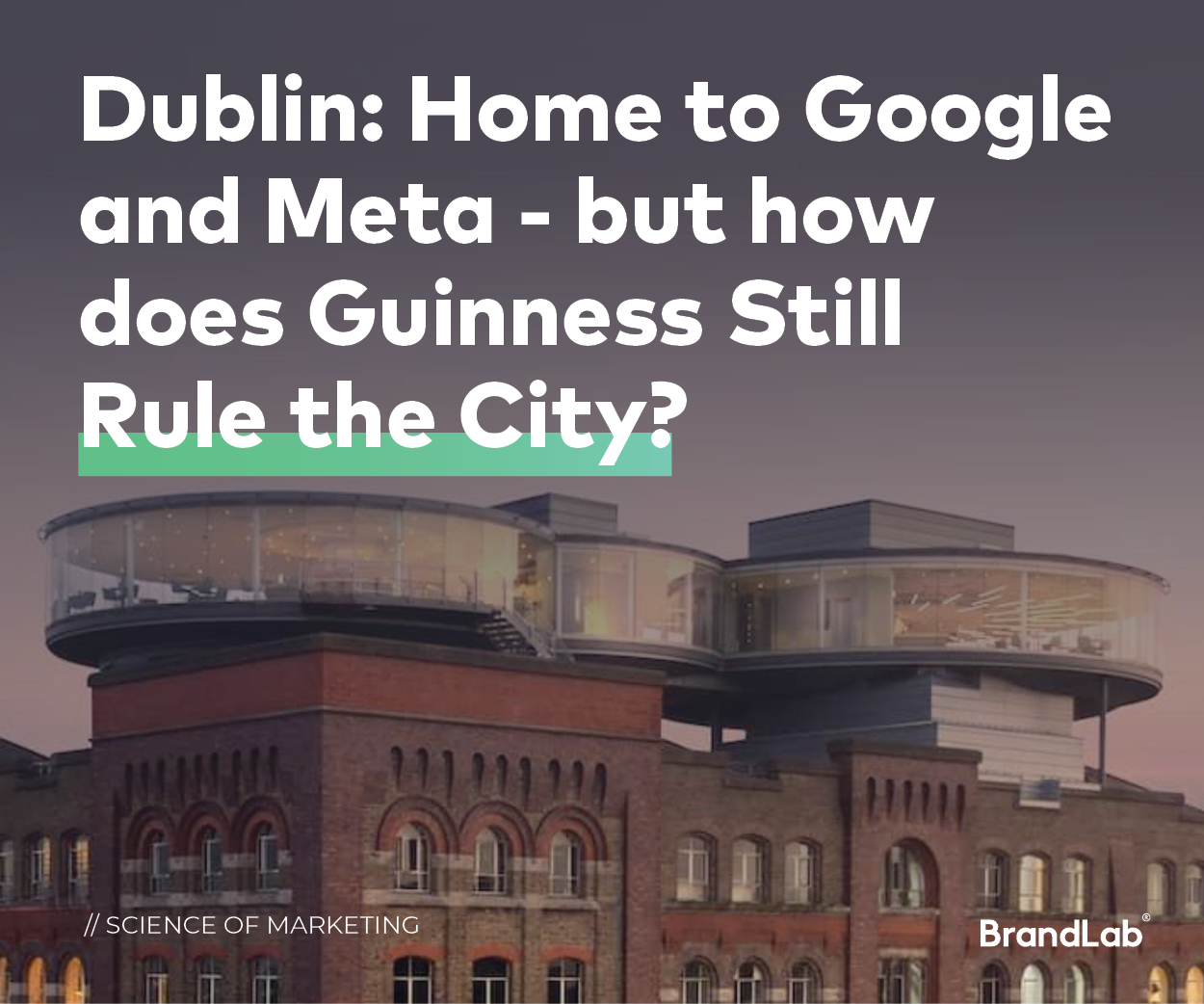
Walk through Dublin today and you’ll discover two very different worlds.
On one side, modern glass buildings, international headquarters and thousands of professionals working for some of the world’s most influential technology companies. On the other, historic pubs, traditional Irish culture and the unmistakable black-and-white identity of Guinness.
At first glance, these two worlds seem completely different. Yet together, they tell a fascinating story about business, branding and the power of identity.
Dublin has become one of Europe’s most important technology hubs. But when it comes to the brand that truly represents the city, the winner might surprise you.
And it isn’t Google.
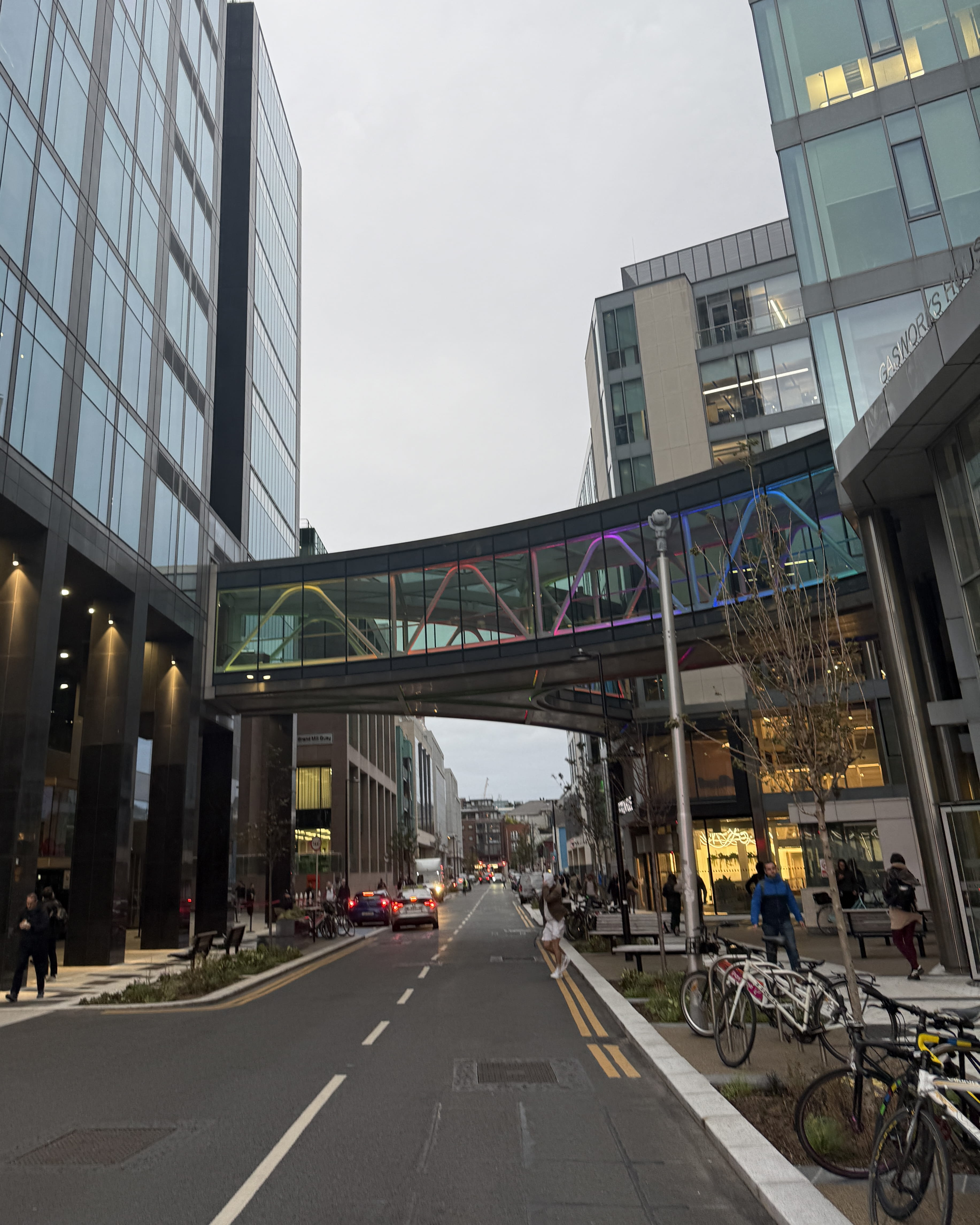
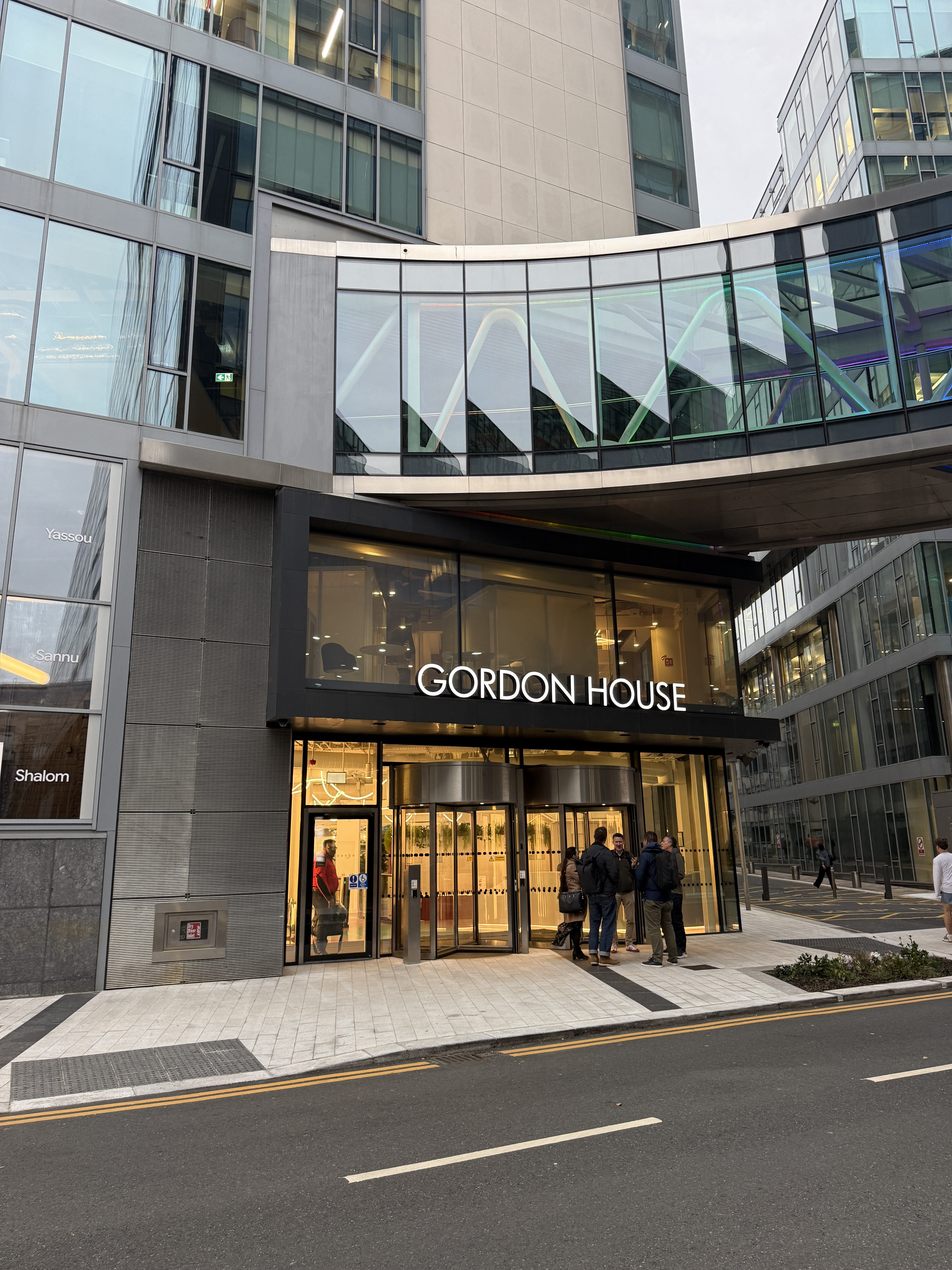
Over the past two decades, Dublin has transformed itself into a major European technology centre.
Google established its European headquarters in the city, followed by an impressive concentration of international technology companies, including Meta, LinkedIn and many others.
An area once associated with docks, warehouses and industrial activity has become known as the Silicon Docks, a reference to California’s famous Silicon Valley.
The transformation wasn’t accidental.
Ireland’s business-friendly environment, access to European markets, English-speaking workforce and international talent helped attract some of the biggest names in technology. For global companies, Dublin became a strategic gateway to Europe. For the city, their arrival brought investment, international recognition, employment and an entirely new business identity.
Today, Dublin represents much more than Irish history and traditional culture. It is a place where global advertising platforms, artificial intelligence, digital innovation and international business intersect. But here’s where the story becomes interesting.
Google knows how to organise the world’s information. Meta connects billions of people through its platforms. LinkedIn has transformed professional networking.
These companies influence how we communicate, work, advertise and conduct business every day. Their presence in Dublin is enormous. Yet ask someone what they associate with the Irish capital, and the answer is unlikely to be a search engine, a social media platform or an advertising algorithm. It’s much more likely to be a pint of Guinness.
And that distinction says something important about branding.
A company can employ thousands of people, operate from impressive headquarters and generate billions in revenue without becoming part of a city’s cultural identity.
Guinness, on the other hand, has achieved something that many brands spend decades trying to accomplish. It has become inseparable from the place it calls home.
The story began in 1759, when Arthur Guinness established his brewery at St. James’s Gate in Dublin. More than 260 years later, Guinness is recognised around the world. Its distinctive black stout, creamy white head, harp symbol and unmistakable visual identity have become international symbols of Irish culture. But the real strength of Guinness goes far beyond its product.
Walk through Dublin and the brand is everywhere. In pubs. On signs. In shop windows. On souvenirs. In conversations. In photographs shared by visitors from around the world.
Guinness isn’t simply advertised in Dublin.
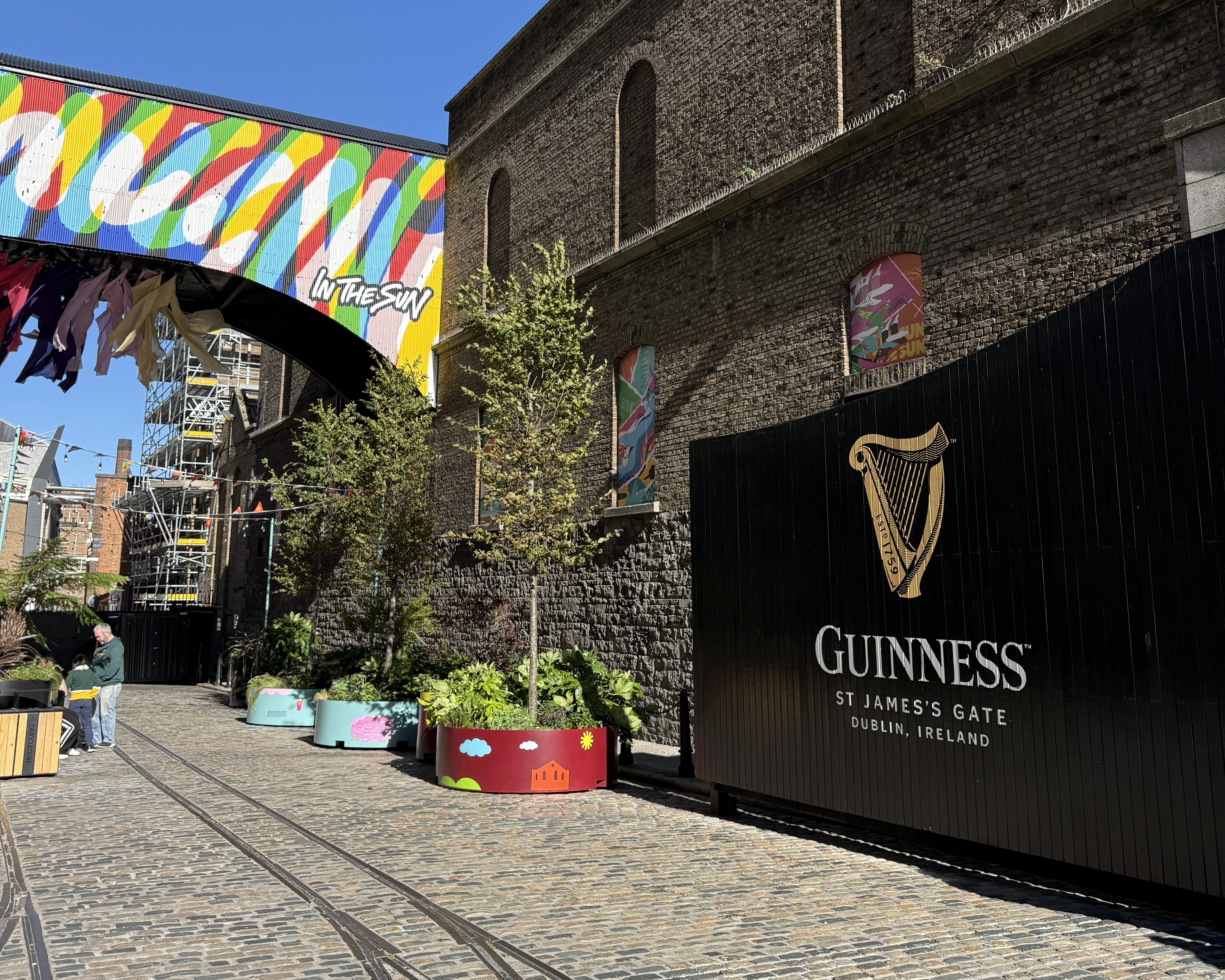
That is a remarkable position for any brand to achieve.
While technology companies invest heavily in digital platforms and sophisticated targeting systems, Guinness benefits from something even more powerful: generations of cultural association, distinctive brand assets and genuine participation in everyday life.
People don’t just consume Guinness.
They associate it with a place, a feeling, a tradition and an experience.
And that creates a level of brand recognition that cannot be built through media spending alone.
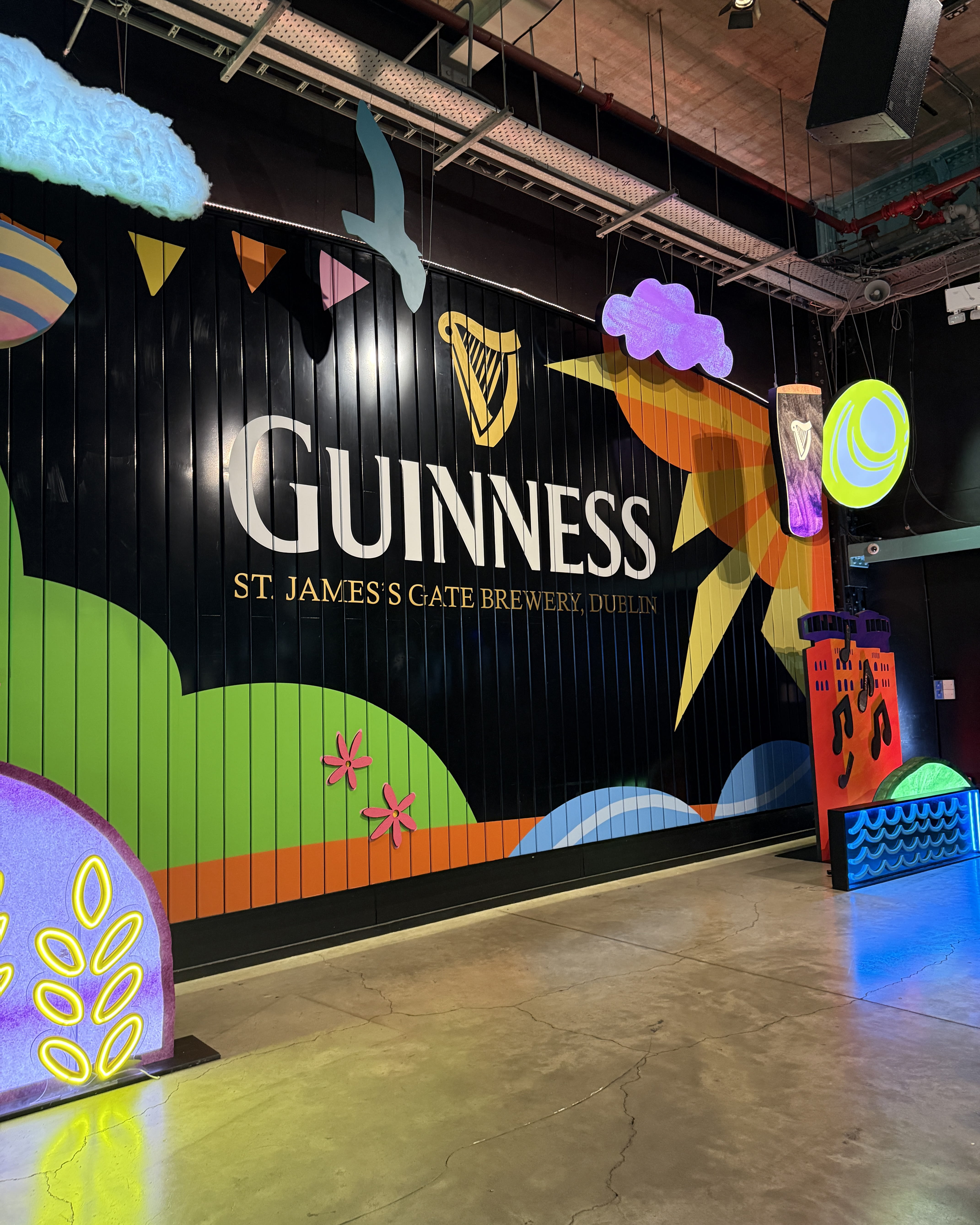
Perhaps the clearest demonstration of Guinness’s branding power is the Guinness Storehouse. Located at the historic St. James’s Gate Brewery, it has become one of Ireland’s most significant visitor attractions.
In 2024 alone, the Guinness Storehouse welcomed approximately 1.65 million visitors. Think about that from a marketing perspective. People travel to Dublin and willingly pay to enter an experience dedicated to a commercial brand. They explore its history, discover its production process, interact with its advertising heritage and finish their visit with one of the most recognisable drinks in the world. Then they share the experience with friends and followers.
The result? A product becomes a destination. A brewery becomes a cultural landmark. And a brand becomes part of the tourism economy. This is experiential marketing on an extraordinary scale.
For those of us working in marketing and brand development, Dublin offers a fascinating contrast. On one side, some of the world’s most advanced technology companies are shaping the future of digital communication and advertising. On the other, a historic beer brand demonstrates that the fundamentals of great branding remain remarkably consistent.
Recognition matters. Consistency matters. Distinctiveness matters. But above all, emotional connection matters. Technology can help brands reach the right audiences faster and more efficiently than ever before. It can optimise campaigns, measure performance and personalise communication. What it cannot automatically create is cultural relevance. That requires a brand to stand for something meaningful and maintain that identity over time. Guinness is an excellent reminder that a strong brand is not simply something people recognise.
It’s something people remember, talk about and actively want to experience.
Dublin may be one of Europe’s most important technology hubs, but its most distinctive cultural brand was established centuries before the digital revolution. And perhaps that’s the most interesting lesson of all.
Google and Meta help shape the future of global communication. Guinness helps tell the story of Dublin itself. One represents technological progress. The other represents heritage, identity and belonging. Both are powerful, but in very different ways. For marketers, the question isn’t whether traditional branding or modern technology matters more. It’s how to combine the two. Because technology can help you reach millions of people.
But only a truly powerful brand can make millions of people feel something.
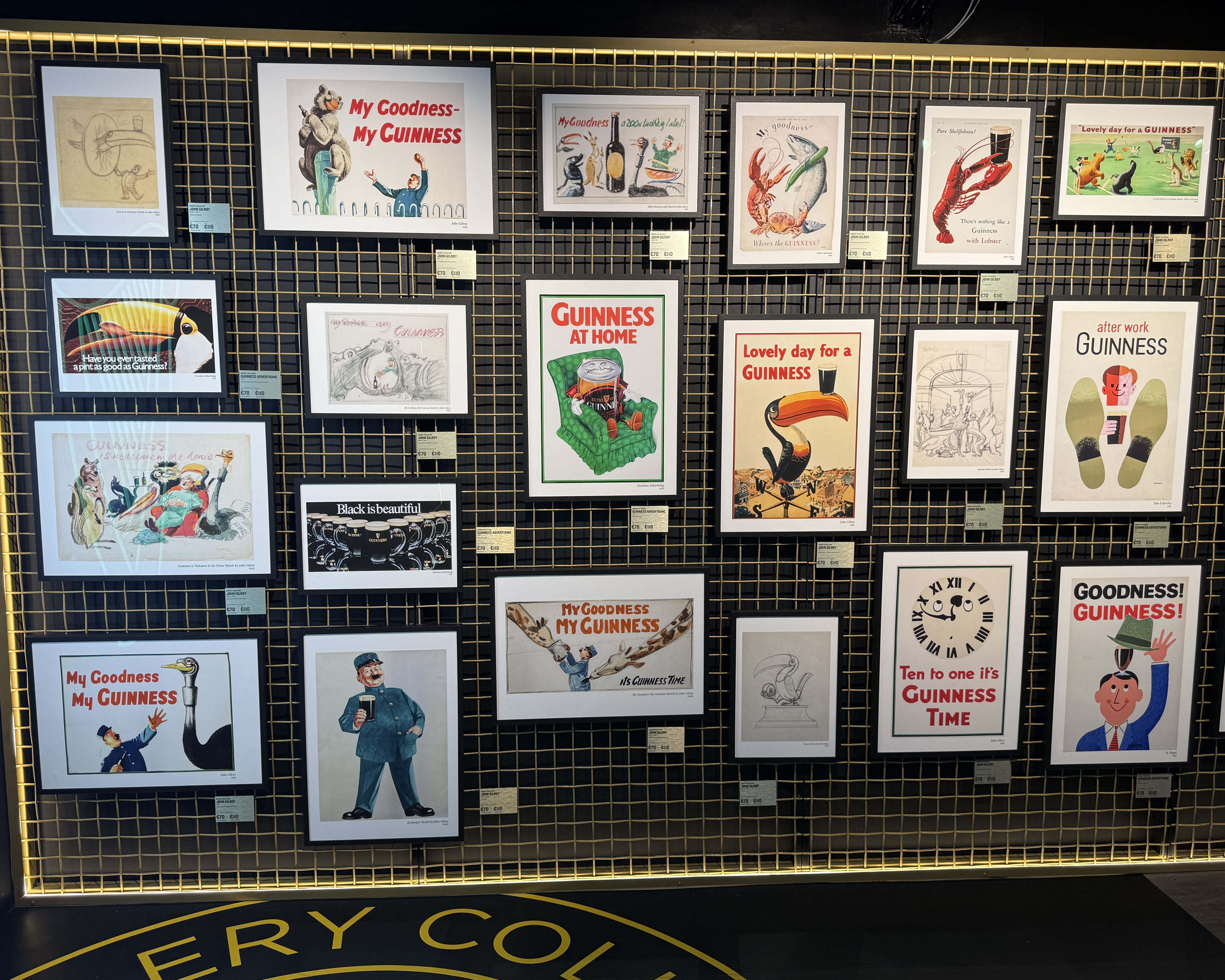
Behind its success lies a fascinating history of advertising, distinctive visual identity, creative storytelling and long-term brand consistency.
From its legendary advertising campaigns and iconic toucan to the carefully designed ritual of pouring the perfect pint, Guinness has consistently transformed ordinary product characteristics into memorable brand experiences.
In our next BrandLab article, we’ll take a closer look at the marketing strategy behind Guinness: how it built one of the world’s most recognisable brand identities, why its advertising has remained memorable for generations, and what modern businesses can learn from its approach.
Because sometimes, the best lessons in modern marketing come from brands that mastered the fundamentals long before digital marketing existed.